Gurgling Toilet When the Washer Drains: The Hidden Cause
QUICK ANSWER: A toilet that gurgles the moment the washing machine drains is almost always an air problem, not a toilet problem. The washer dumps a large volume of water fast, and if the drain system cannot pull in enough air, it pulls it through the nearest trap instead, which bubbles up in the bowl. The two usual sources are a blocked plumbing vent on the roof or a partial clog in the shared drain or main line. Finding which one takes a look inside the pipe, and the fix follows from what shows up there.
The washing machine hits its drain cycle, the pump kicks in, and a few feet away the toilet bowl starts to bubble and glug like something is trying to climb back up it. Run the washer again and it happens again, every time, on cue. The toilet works fine on its own, the washer drains fine on its own, but put the two together and the bowl talks back. Around Providence and the older streets across Rhode Island, that pairing is common, and it is pointing at something specific that most homeowners never think to check.
A gurgling toilet when the washing machine drains is rarely a problem with either the toilet or the machine. It is a symptom of how air and water move through the pipes they share. The washer is simply the fixture that pushes the system hard enough to expose a weakness that sits quietly the rest of the day.
Why the Washer Is the Fixture That Gives It Away
Volume and speed are the difference. A sink or a shower trickles water down the drain over a minute or two. A washing machine does the opposite. When it empties, a pump forces many gallons out in a matter of seconds, all at once, straight into the drain line. That surge is the closest thing a home plumbing system gets to a stress test.
A healthy drain handles that surge because it can breathe. As water rushes down a pipe, it needs air to move in behind it, the same way you have to let air into a gas can for the fuel to pour smoothly. If the system can pull that air in freely, the washer water goes down and nothing else notices. If it cannot, the rushing water drags air out of the only opening it can find, and the water sitting in your toilet trap is often the closest one. The air pulling through that trap seal is the gurgle you hear.
This is why the toilet, and not the washer, is where you notice the trouble. The washer creates the demand for air. The toilet, sharing the same drain or main line, pays for it. Smaller fixtures rarely move enough water fast enough to expose the same fault, which is how a house can seem fine right up until laundry day.
What Gurgling Actually Is: Air With Nowhere to Go
Every drain system is really two systems. One carries water and waste down and out. The other, the vent side, lets air in and out so the water can flow. Together they are called the drain, waste, and vent system, and the vent half is the part nobody sees or thinks about until it fails.
The vent is a pipe that runs up through the roof, open to the outside air. Its job is to keep the pressure inside the drain pipes balanced. When water drains and tries to create suction behind it, the vent feeds air in from the roof so that suction never builds. It also lets sewer gas escape up and out rather than into the house. Every trap in your home, the U-shaped bend under each fixture, holds a small plug of water that blocks sewer gas. Those traps only stay sealed if the pressure around them stays balanced, and that balance depends on the vent.
When the vent cannot do its job, draining water creates negative pressure, a partial vacuum, inside the pipes. That vacuum has to equalize somehow, so it pulls air backward through the nearest trap. You hear it as gurgling, and in worse cases you smell it, because the same pull can siphon the water out of a trap and let sewer gas drift into the room.
The Blocked Vent Stack: The Cause Most People Never Check
This is the hidden cause behind a great many gurgling toilets. The vent opening sits on the roof, out of sight and out of mind, and it is exposed to everything the weather and the neighborhood send its way. Leaves pile into it in the fall. A bird builds a nest in the warm updraft. A tennis ball, a stray piece of debris, or a slow buildup of grime settles in the pipe. In a New England winter, moist air rising from the drains can freeze at the cold opening and choke it with frost until it thaws.
Once that vent is blocked or badly restricted, the system loses its supply of air. Small draws, like a sink emptying, may still pass without complaint. But send the washer surge through, and the demand for air spikes past what the crippled vent can supply. The vacuum builds, the toilet trap gives up its air, and the bowl gurgles every wash. A blocked vent is one of the most missed reasons a toilet gurgles when the washing machine drains, precisely because homeowners study the toilet and the washer and never think to look at the roof.
TIP: If the gurgling comes with a faint sewer smell near the affected drains, lean toward a venting problem rather than a simple clog. A blocked vent both starves the system of air and lets trap seals get pulled thin, so odor and gurgling tend to show up together.
When It Is the Main Line Instead
A partial clog in the shared line produces the same symptom for a different reason. Where a blocked vent starves the system of air from above, a partial blockage restricts water from below. Both leave the washer surge with nowhere to go, and both push air and water back through the toilet trap.
The distinction matters because the fix is different. When a drain line or the main line running out to the street is partly blocked by grease, scale, or roots, water still gets past, so the house drains, just slowly. The washer surge, though, arrives faster than the narrowed pipe can pass it. Water backs up behind the restriction, compresses the air trapped between the clog and the toilet, and that pressure escapes up through the bowl. Same gurgle, different origin.
A few signs help tell them apart. If the gurgling comes with slow drains across several fixtures, water rising in a basement floor drain, or the toilet level dropping or rising on its own, the main line is the likely suspect. If the drains themselves run at normal speed and the only clue is the gurgle and maybe an odor, the vent moves up the list. In practice the two can overlap, and the only way to be certain is to look inside the pipe rather than guess from the outside.
Tree Roots and Older Rhode Island Homes
Age is the thread that ties most of these cases together. The housing stock around Providence and the surrounding mill towns runs old, and so do the pipes under it. Clay and cast iron sewer laterals, decades of ground movement, and mature maples and oaks planted along the property line add up to the exact conditions that produce a gurgling toilet.
Tree roots are drawn to the moisture and nutrients inside a sewer line. They find the hairline gaps at aging pipe joints, work their way in, and spread into a fibrous mat that catches everything draining past. That mat is a textbook partial blockage, the kind that lets the house drain normally until the washer sends a surge the narrowed pipe cannot handle. Roots are one of the leading reasons a line that behaved for thirty years suddenly starts making the toilet gurgle on laundry day.
Older homes also tend to have older venting, sometimes undersized, sometimes altered by decades of remodels that added fixtures without adding air capacity. A vent that was marginal to begin with fails sooner when a bird nest or a season of leaves narrows it further. The washer, again, is what reveals the weakness, because it is the one fixture that regularly asks the system for more than it has to give.
WARNING: Reaching for a bottle of caustic drain cleaner will not fix a gurgle caused by roots, a deep clog, or a blocked vent, and it can make things worse. The chemical sits in standing water doing nothing to the real problem, while it pits older metal waste pipes from the inside and waits for whoever opens the line. It trades a blockage you can clear for corrosion you cannot.
How the Cause Gets Found and Fixed
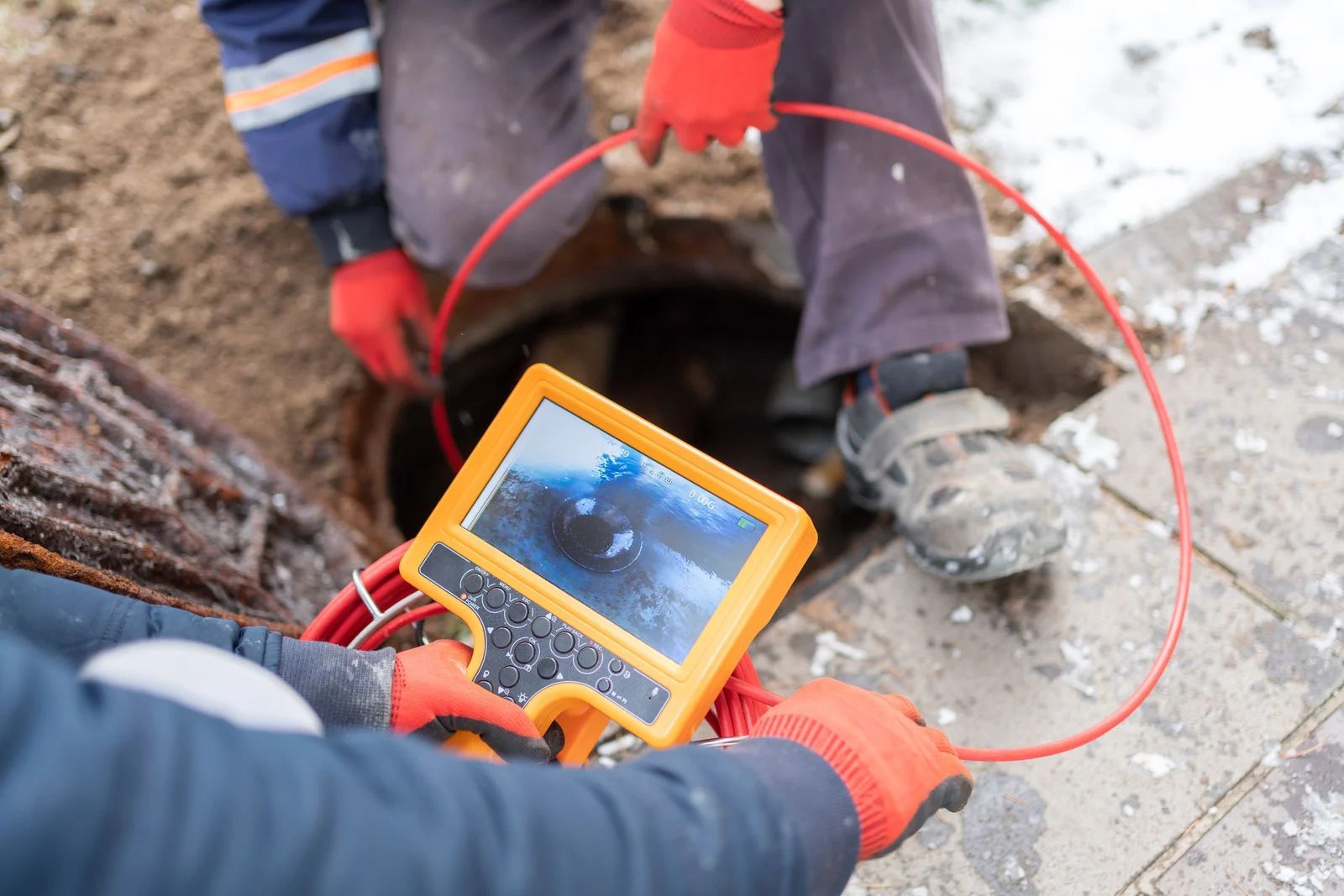
The work starts with looking, not guessing. A gurgle has several possible sources, and clearing the wrong one wastes an afternoon while the real fault stays put. A camera pushed into the drain from a cleanout settles the question. It shows whether the line is coated in grease, matted with roots, cracked, or bellied, and it marks the trouble by distance so any repair targets the right stretch. If the line comes back clear and sound, that turns attention to the vent instead.
When the cause is a blocked vent, clearing it from the roof restores the air supply, and the gurgling usually stops the same day. When the cause is a partial clog, the tool depends on what the camera found. A motorized cable sized to the pipe cuts through root masses and compacted debris and reopens the line. Where grease and scale coat the whole wall, high-pressure water scours the pipe back to bare material so the next clog has nothing to build on. Roots that keep coming back may need a cutting head followed by jetting, along with a plan for the joint they are entering.
If the camera shows a cracked, offset, or root-damaged section, cleaning alone will not hold. A damaged length can often be rebuilt from the inside by lining it, saturating a felt sleeve with resin and curing it in place to form a jointless pipe within the failing one, with no need to dig up the yard. A crushed or badly bellied stretch may call for spot repair or pipe bursting. The point of looking first is to match the repair to the actual failure instead of clearing a hole and waiting for the gurgle to return a month later.
Frequently Asked Questions
Why does my toilet gurgle only when the washing machine drains?
The washer moves the most water fastest, demanding large air volume in seconds. If a blocked vent or partial clog prevents adequate air supply, vacuum pulls air backward through the toilet trap, causing the gurgle.
Is a gurgling toilet a sign of a serious problem?
Yes, worth checking. A gurgle signals drain system struggling to balance air and water. Partial clogs grow into backups when left alone. Blocked vents pull trap seals thin enough to release sewer gas indoors.
Can I fix a gurgling toilet myself?
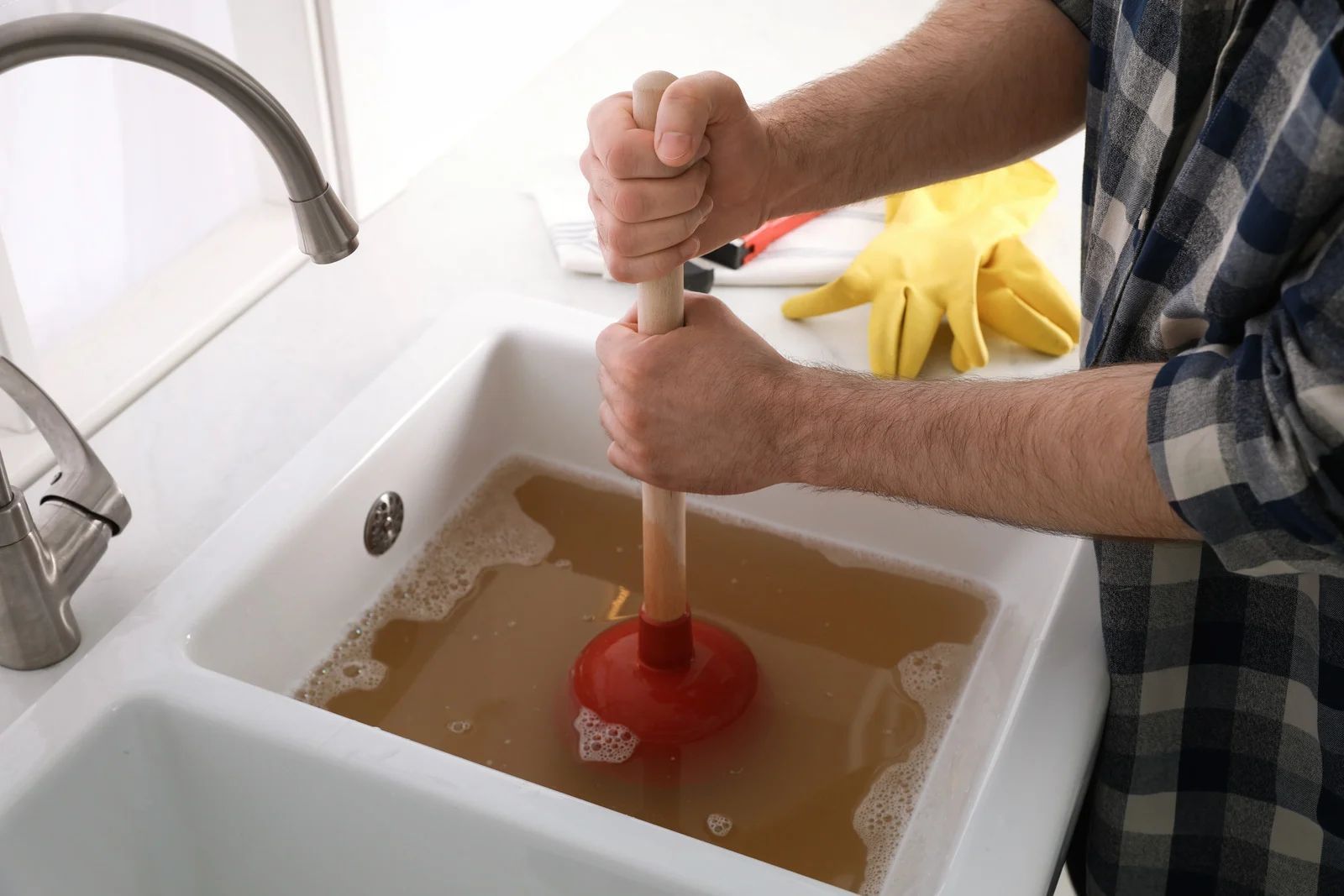
Check if the toilet is clogged and inspect the roof vent for leaves or nests. Beyond that, causes sit deep in drains or up vents, requiring a camera to tell them apart. Skip drain chemicals.
Why is this more common in older homes?
Older homes have aged clay or cast iron laterals with joints roots easily enter. Decades of remodeling often left venting undersized. Around Providence, mature trees and aging pipe together create root blockages and weakened vents.
The Sound Points to a Fixable Problem
A gurgling toilet when the washing machine drains is almost never the toilet's fault, and it is rarely something that improves on its own. The sound tells you the drain system is struggling to move air and water together properly, whether from a blocked vent sitting on the roof or a developing clog in a shared line below. Understanding which one points to different repairs, but both need attention before the issue grows into a full backup that stops everything.
Over 30
years in Providence, RI, Reliable Sewer and Drain
has seen most versions of this exact problem unfold. In older Rhode Island homes with aging pipe and mature trees, a gurgling toilet tied to laundry day is often a root-invaded line or a vent needing clearing. The pattern reads once the line is properly examined. A camera inspection settles whether the fix is above ground or below, and once you know what you are facing, the solution follows quickly.